How to Select the Right Class 4 Laser Therapy Device for Your Clinic
As the demand for innovative therapeutic solutions continues to increase, Class 4 laser therapy devices have appeared as a powerful tool in various medical and veterinary practices. These powerful lasers offer successful treatment options for pain control, wound healing, and tissue regeneration, making them an attractive choice for healthcare professionals looking to enhance their practice. However, with many models available on the market, selecting the appropriate Class 4 laser therapy device can be a daunting task.
Comprehending the key features that differentiate these devices is crucial to making an informed decision. Factors such as output power, wavelength, portability, and safety features play a crucial role in assessing the effectiveness and reliability of the device. Additionally, aspects like treatment protocols, ease of use, and long-term support from manufacturers can significantly impact your overall experience and success with laser therapy. Whether you are looking to expand your practice or looking for the ideal choice for veterinary applications, knowing what to look for will empower you to choose the right device tailored to your particular needs.
Key Features of Class 4 Laser Therapy Devices
When considering selecting a Class 4 laser therapy device, it is crucial to take into account various key features that directly impact treatment effectiveness and usability. A primary feature involves the power output, which typically varies between 0.5 to 25 watts. Devices with higher wattage can deliver deeper tissue penetration, leading to increased treatment for pain and healing. It is crucial to pick a laser which matches the particular therapeutic goals of your practice, making sure it can adequately address the conditions you aim to treat.
Wavelength is another critical factor to consider when selecting a Class 4 laser. Various wavelengths penetrate tissues to varying depths and are suited for different types of conditions. For instance, a wavelength between 800 to 900 nanometers is commonly chosen for deeper tissue applications, while lower wavelengths are effective for superficial injuries. Knowing how wavelength affects treatment outcomes can significantly improve patient results and satisfaction.
Portability represents a significant consideration as well, especially for practitioners needing to move the device between various treatment rooms or locations. Some Class 4 lasers are designed to be lightweight and easily transportable, while others are more suited for stationary use in a dedicated treatment area. Evaluating your practice's workflow and space will help determine which type of device will suit your needs and enable efficient patient care.
##
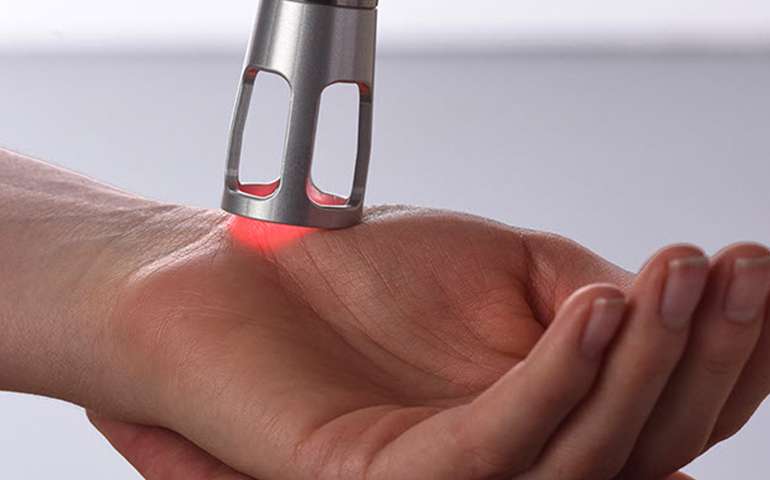
Energy output plays a crucial role in the efficacy of Class IV laser therapy devices . Measured in watts , the energy output determines how deep the laser can penetrate tissue and how rapidly it can stimulate biological responses. Higher wattage typically allows for faster treatment times and greater energy delivery to the targeted area, which can be essential for managing pain and promoting healing. It is important to select a device that balances power with the specific treatment goals of your practice .
Frequency, measured in nanometers , is another key factor when selecting a Class 4 laser therapy system. Different wavelengths penetrate the skin at diverse depths and elicit different biological responses. For example , wavelengths in the range of 800-900nm nanometers are often used for deep tissue treatments, while those closer to 660 nanometers are more efficient for superficial conditions. Understanding the impact of wavelength on treatment outcomes helps clinicians select the appropriate device for their individual patient needs and conditions.
Together , power and wavelength define the features of a Class IV laser therapy system. When choosing a laser, it's crucial to evaluate how these two elements will function in tandem to achieve the desired therapeutic effects. A thorough understanding of these elements empowers practitioners to make informed decisions that improve treatment outcomes, ensuring that the selected device aligns with clinical objectives.
Security, Regulation, and Assistance in Laser Treatment Equipment
When selecting a Fourth Class laser therapy equipment, security and compliance should be your primary focus. Confirm that the device has received FDA clearance, confirming that it meets stringent security and efficacy criteria. blog link is essential to protect both operators and patients from potential dangers associated with inappropriate laser applications. Additionally, seek out machines that incorporate essential safety measures, such as auto shut-off systems, warning systems for excessive heat, and eye protection to protect against unexpected exposure.
Support from the manufacturer is just as vital when considering a Class 4 laser equipment. A trustworthy company will provide adequate education and credentials for practitioners, ensuring they are well-equipped to handle the device securely and proficiently. Furthermore, consider the coverage and customer support available. A solid warranty can offer reassurance regarding long-term commitment, while helpful customer support can assist with issue resolution, maintenance, and any likely issues that arise after purchase.
In conclusion, education and training resources from the manufacturer can enhance your office's ability to utilize the laser effectively for various issues. Search for devices that come with thorough treatment plans, both pre-set and customizable. This adaptability not only guarantees adherence to recommended practices but also boosts outcomes, building confidence and satisfaction among your clients.